The guide
What is ghost mannequin photography?
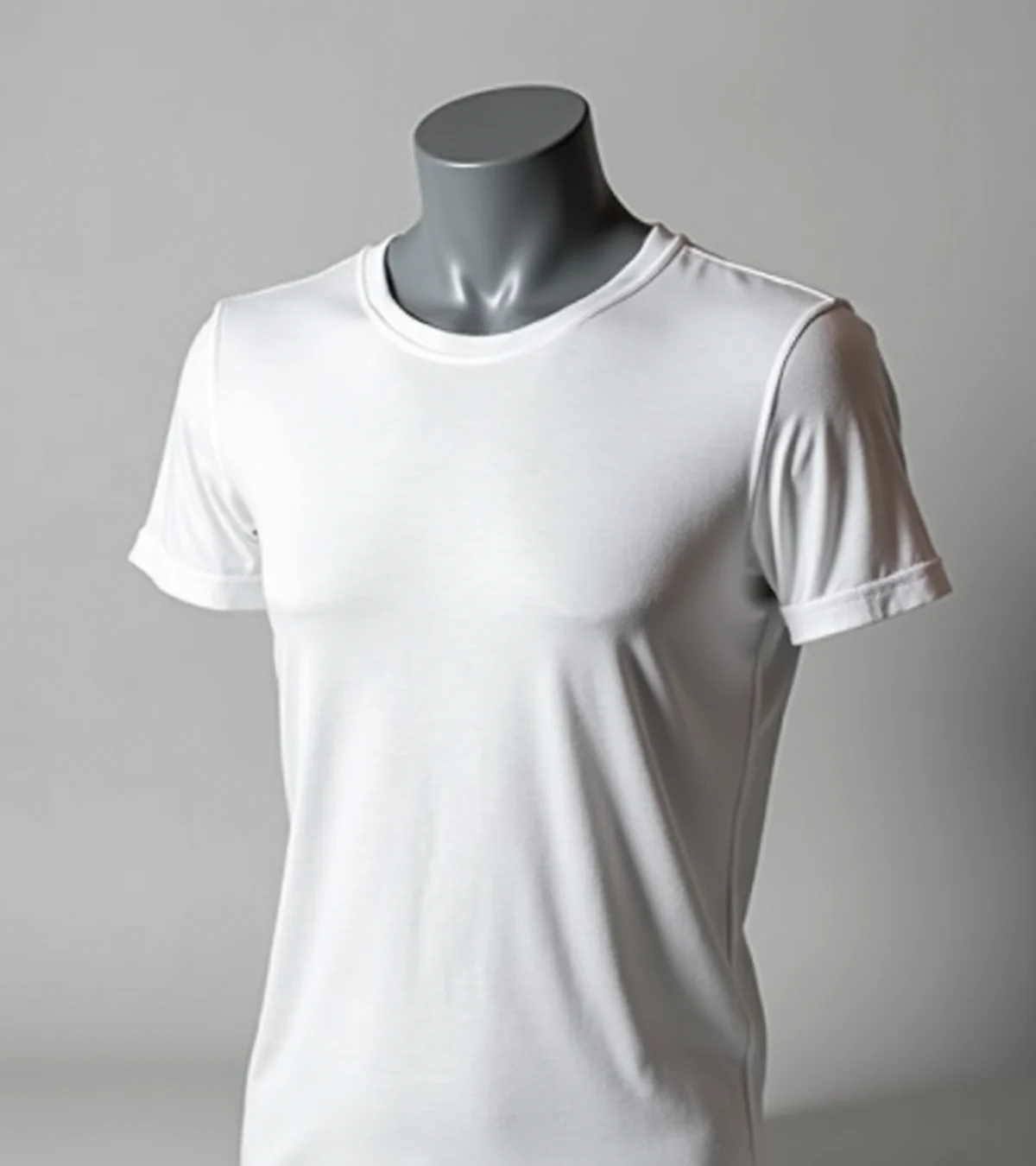
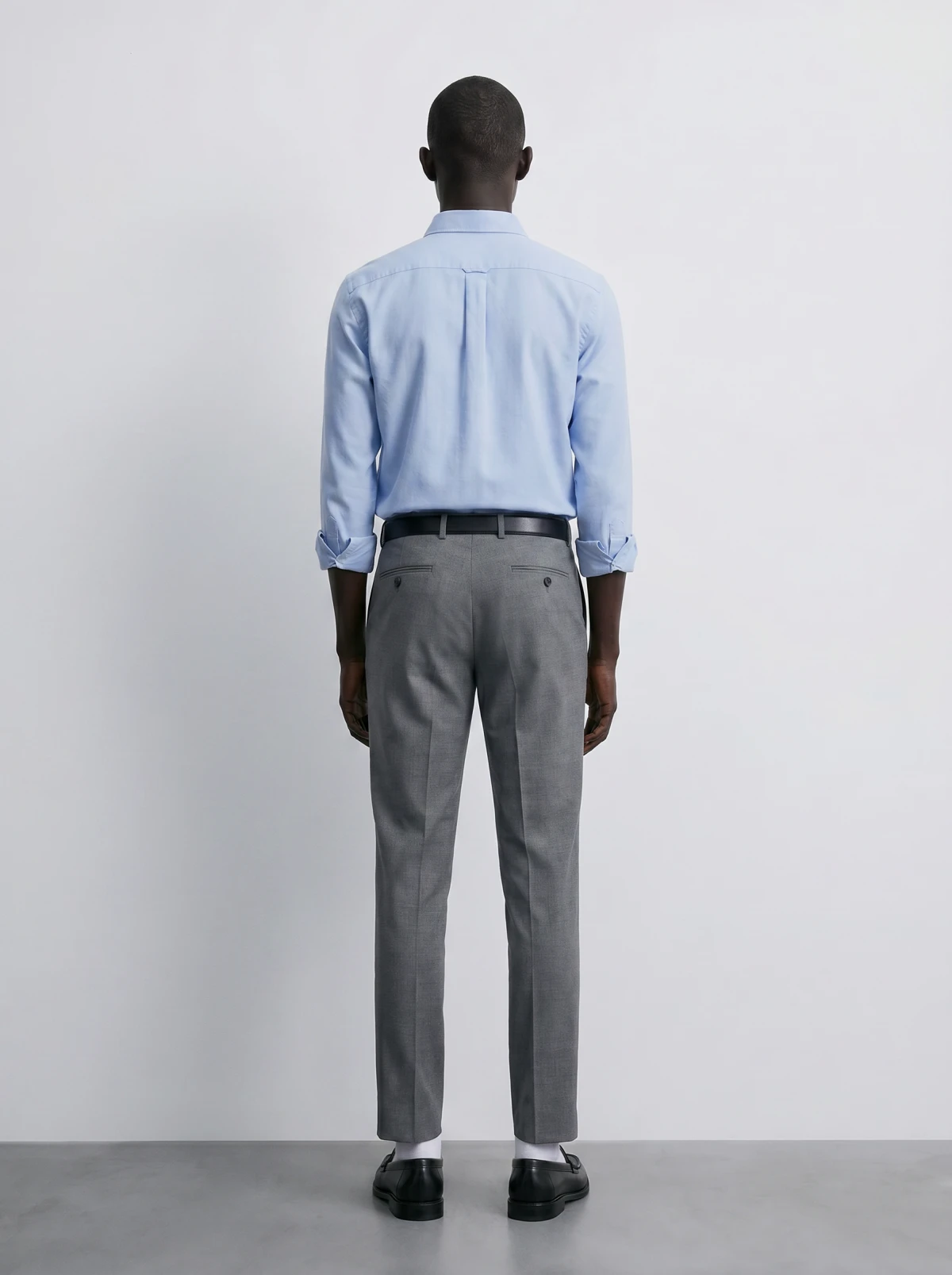
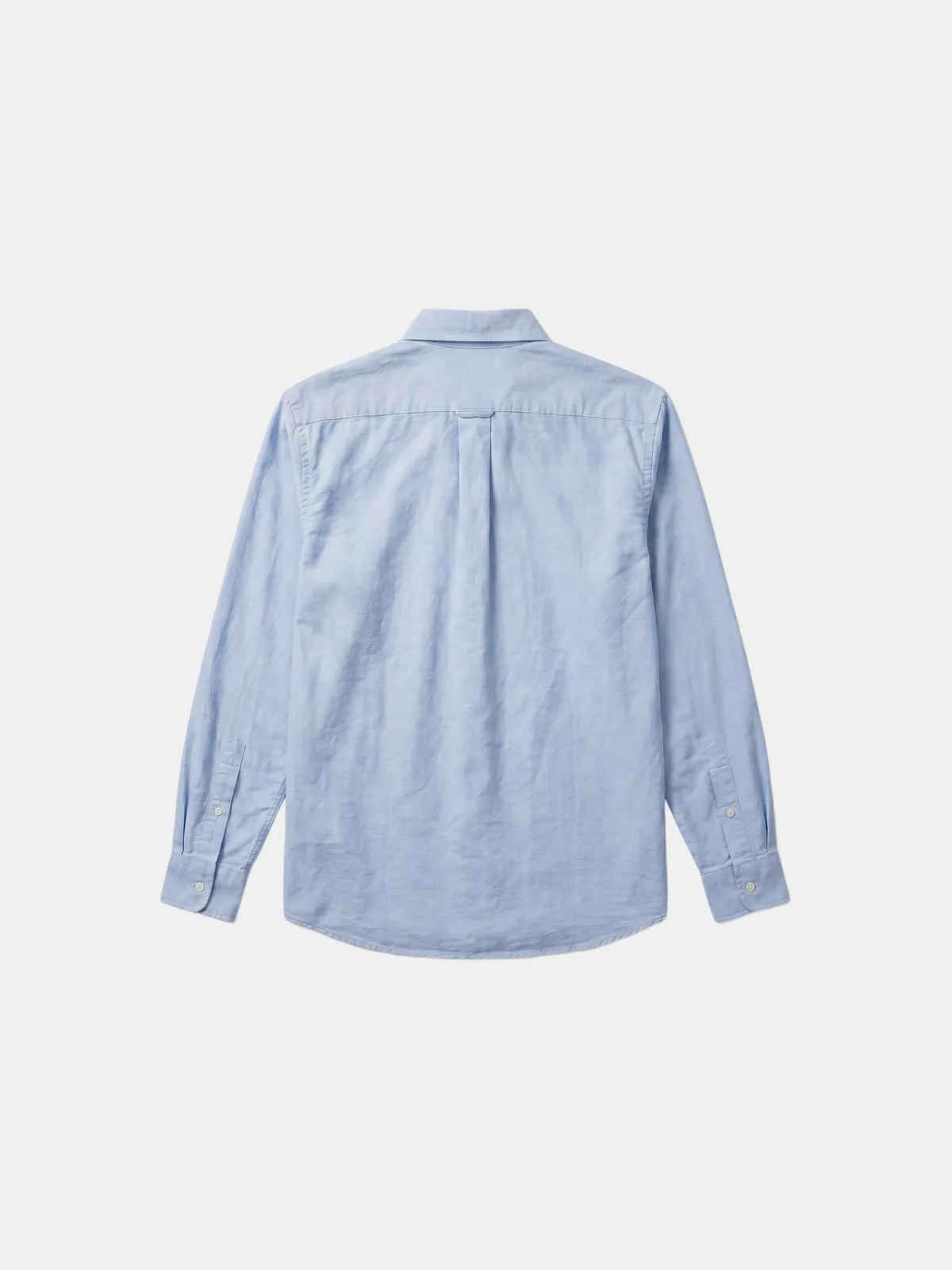
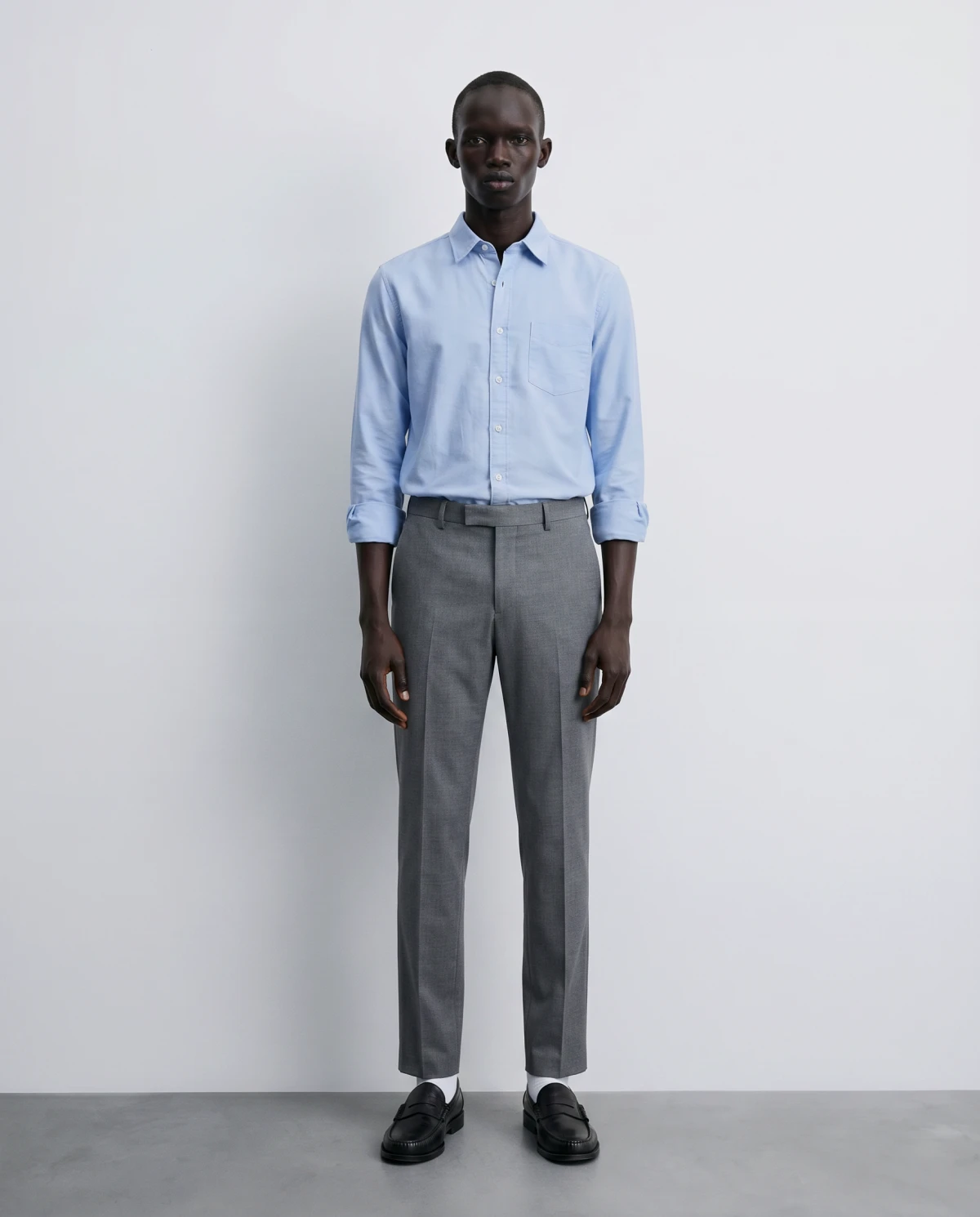
Ghost mannequin photography shows a piece of clothing with its real, three-dimensional shape — but no model and no mannequin in sight. The garment looks filled out, like an invisible person is wearing it. Shoppers see the neckline, the cuffs, the drape, and how the piece actually sits. That's why it's the default for apparel listings on Shopify, Amazon, and every serious ecommerce store.
The traditional way to get it is fiddly. You dress a mannequin, shoot it, shoot the inner neck label separately, then composite the two in Photoshop and erase the mannequin. Done well, it looks clean and consistent. Done at volume, it's slow and expensive — a studio day, a stylist, and a retoucher for every batch.
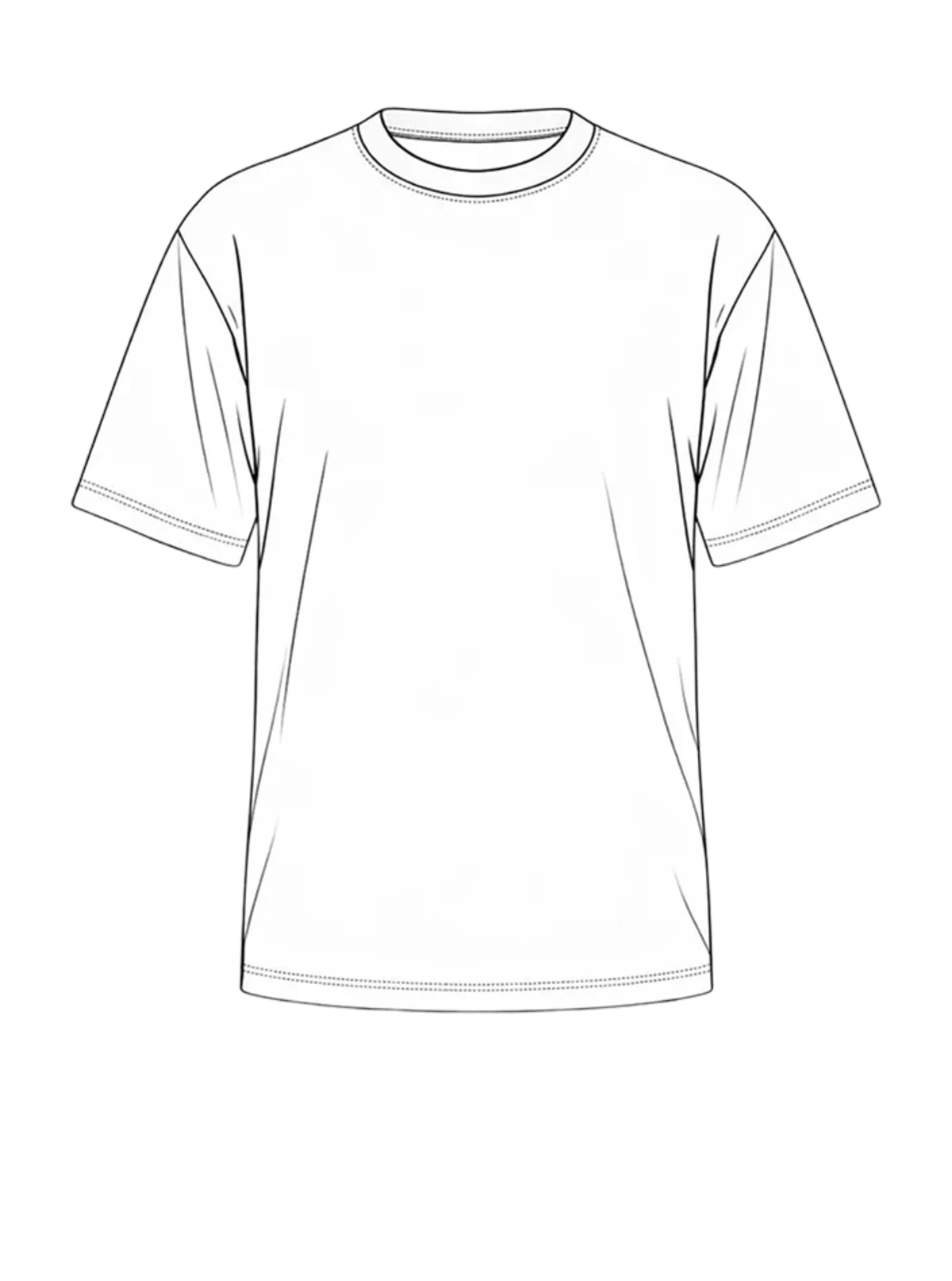
Dreem skips the mannequin entirely. You upload a flat shot of the garment. The AI builds the invisible-mannequin version — shape, depth, and interior — and hands it back ready for your product page.
When to use ghost mannequin vs. flat lay
Both have a place. Pick by what the shopper needs to see.
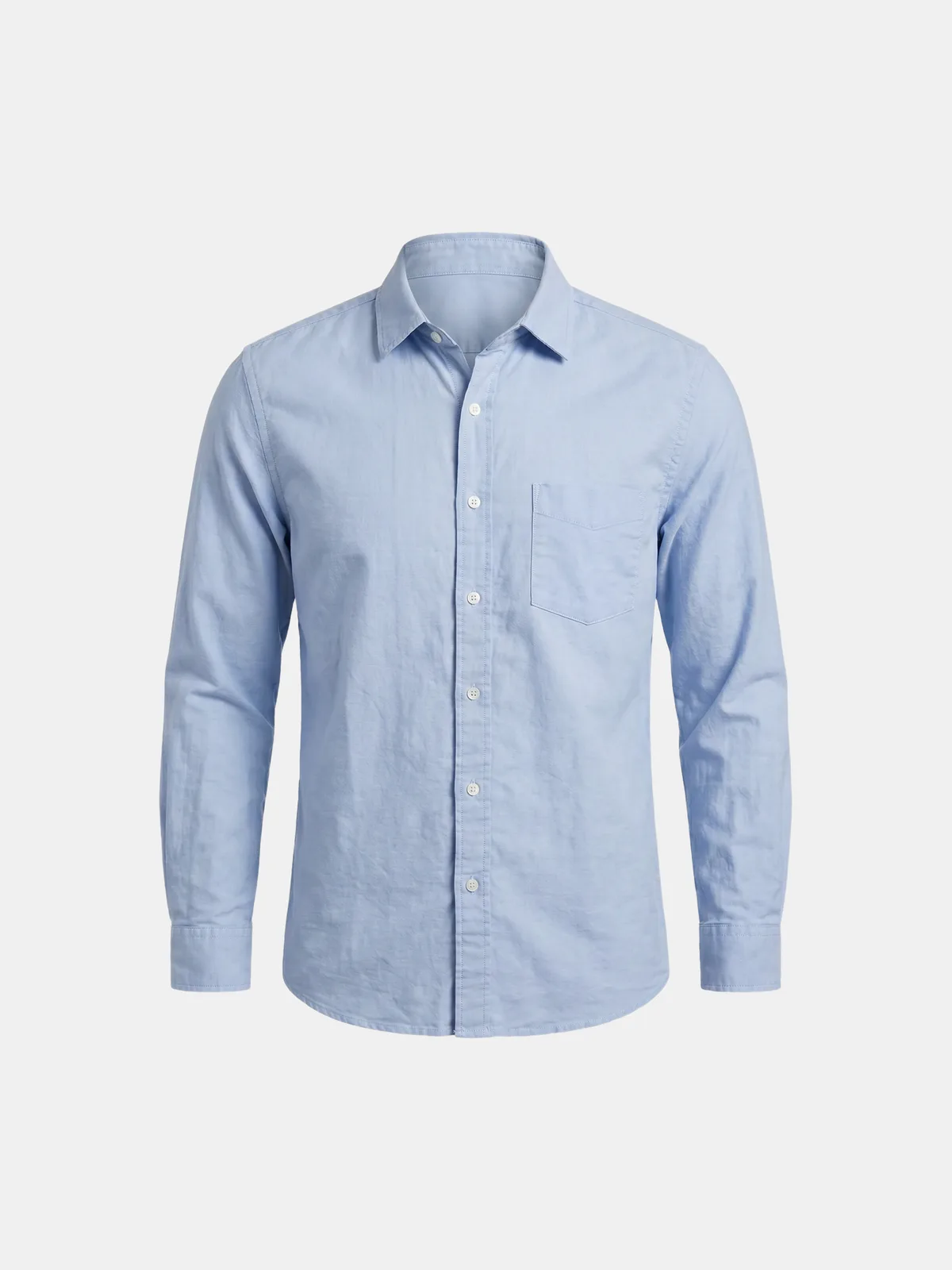
Ghost mannequin
When fit and structure sell the piece.
- Tops, knits, hoodies, jackets, dresses — anything where shape on a body is the point
- Shows the neckline, cuffs, and drape the way they'll actually sit
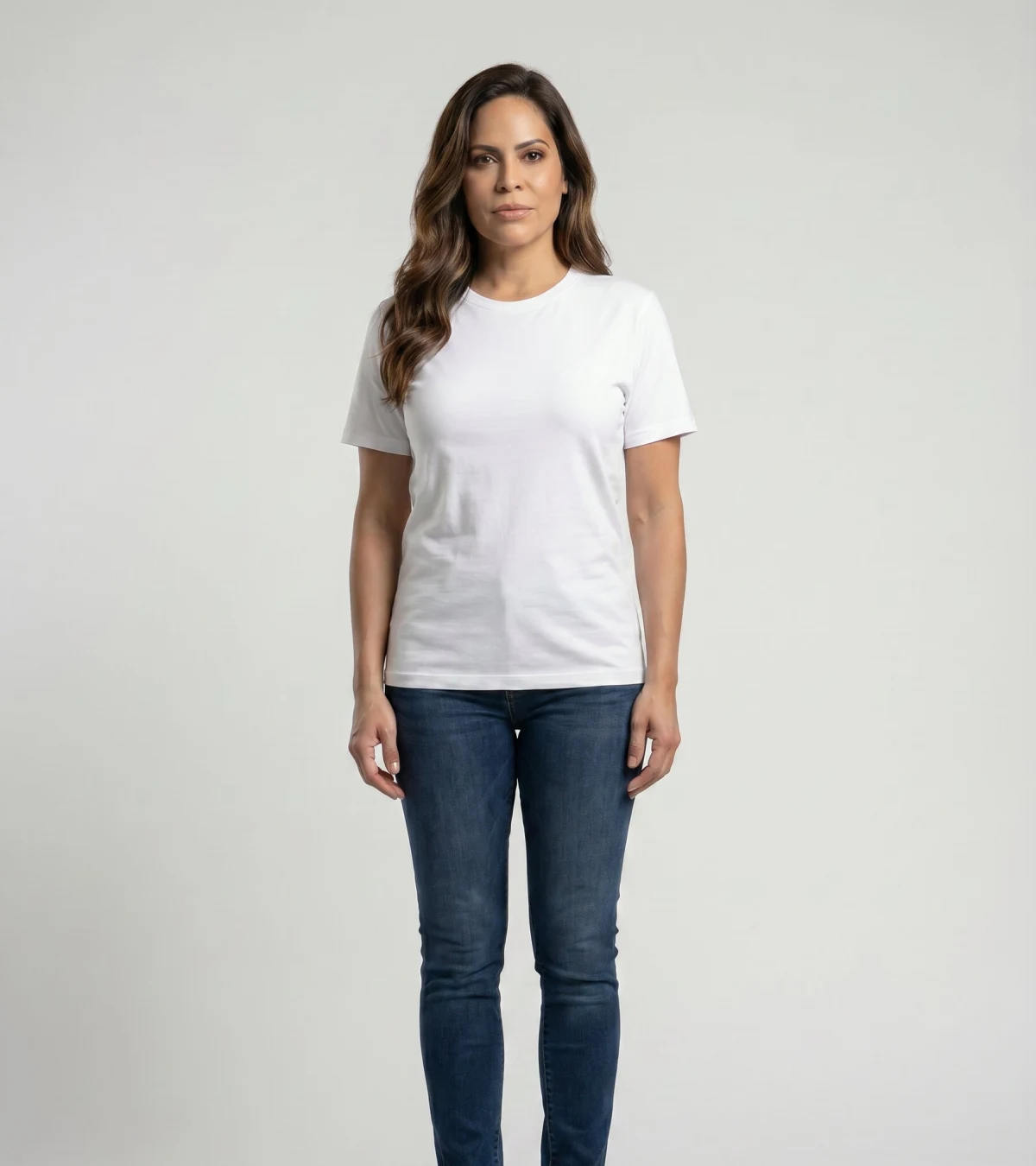
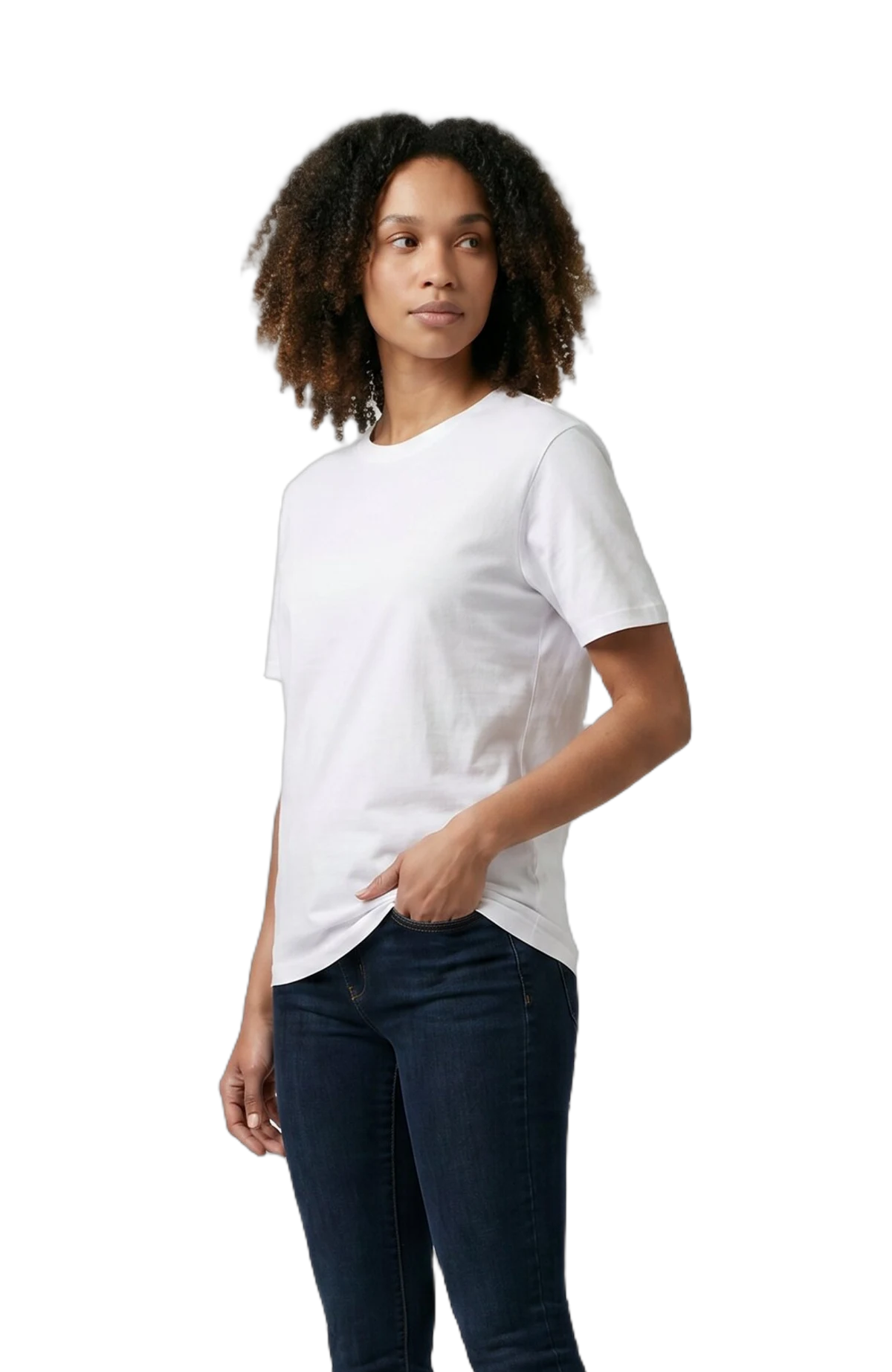
- Answers "how will this hang on me?" without booking a model
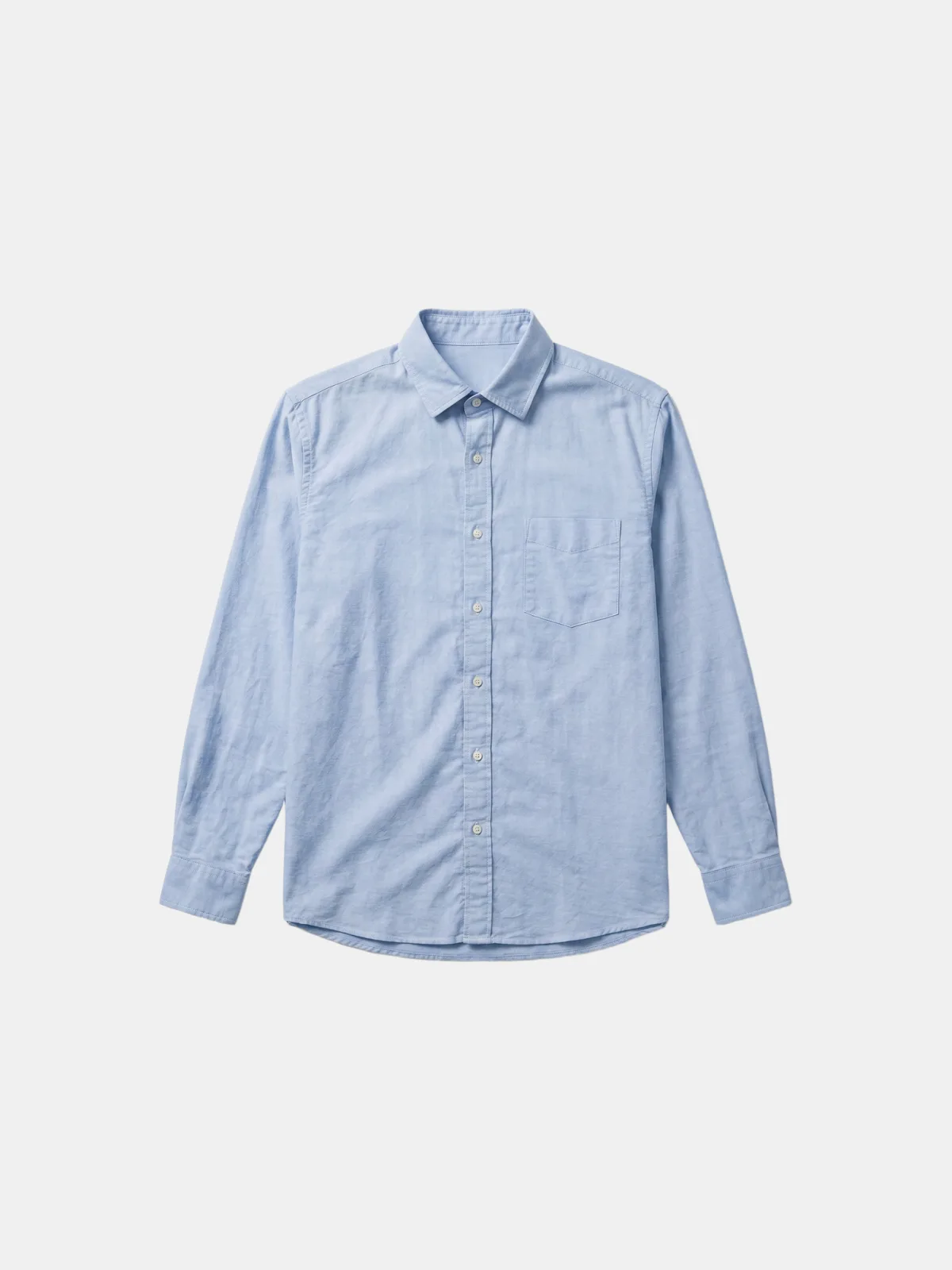
Flat lay
When the design is the story.
- T-shirt graphics and flat-pack basics often read fine laid flat
- Faster and cheaper to produce
- All some categories — like accessories — really need
Most apparel stores run both: flat lay for the quick catalog grid, ghost mannequin for the hero shot on the product page. If you're choosing one to lead with, lead with the one that shows fit.
What ghost mannequin AI gets right — and where it doesn't
Here's the honest version, because overselling helps no one.
Strong today
- Shape, drape, and how the garment actually sits
- Consistency — a hundred SKUs come back looking like one store
- Turnaround in minutes, so restocks never wait on a studio
Still improving
- Fine logo detail — check the output if a crisp logo is the hero of the shot
- Highly reflective or metallic surfaces
- When that detail matters, review before it goes live — we'd rather say so up front
For the bulk of an apparel catalog, though, the math is hard to argue with. Traditional ghost mannequin photography runs roughly $50 to $200 per image once you add up studio, stylist, and retouching. With Dreem, per-image cost lands in the low single digits, and the turnaround is the time it takes to upload a file.