AI Fashion Model Generator

AI fashion models from one product photo

Upload a flat lay or packshot. Get studio-quality on-model shots — diverse bodies, natural poses, the backdrop you choose. No casting. No studio. No shoot day.

Try it now — upload a product

Free to try · No card · You own every image

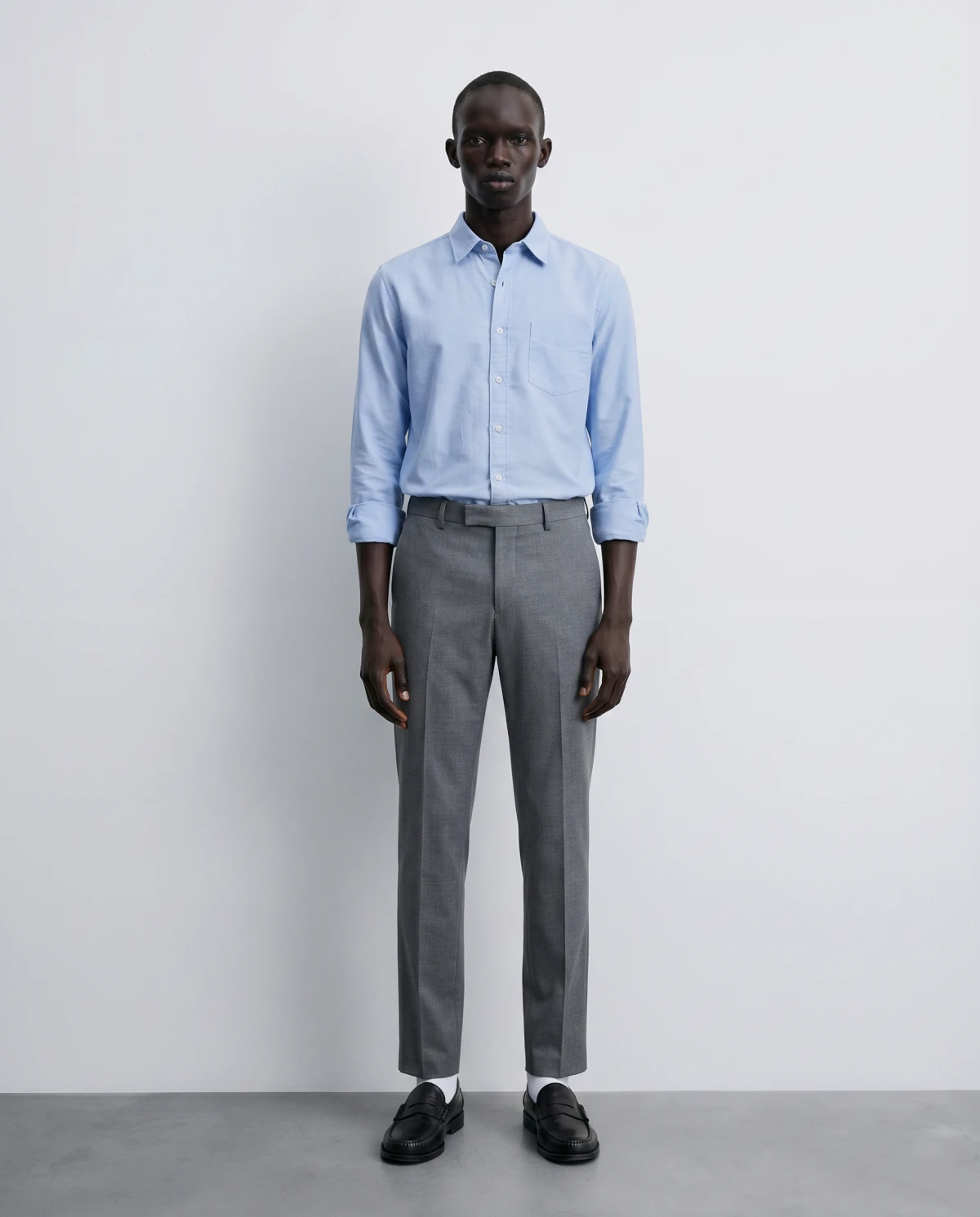
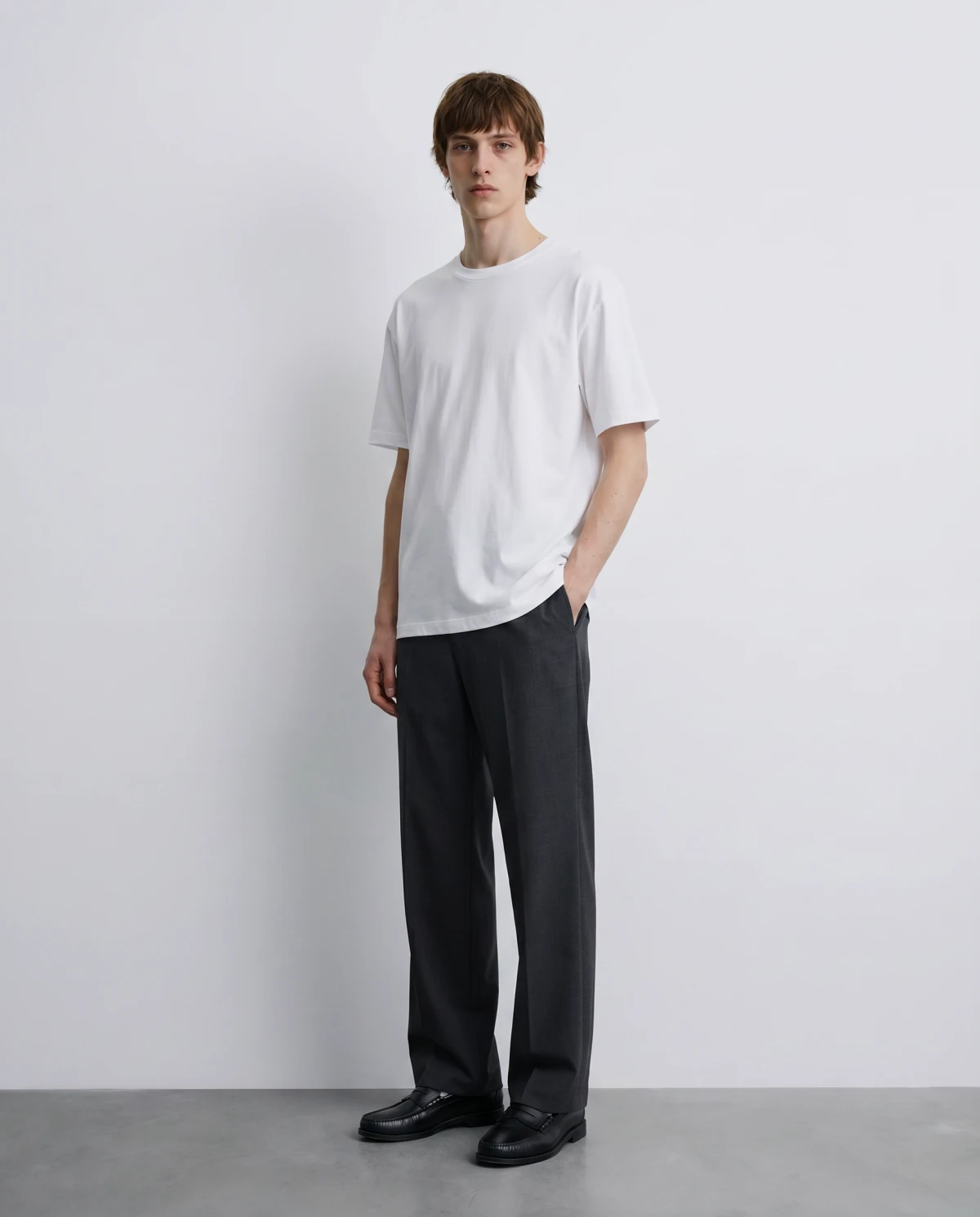
AI-generated on-model fashion shot created by Dreem from a product photo
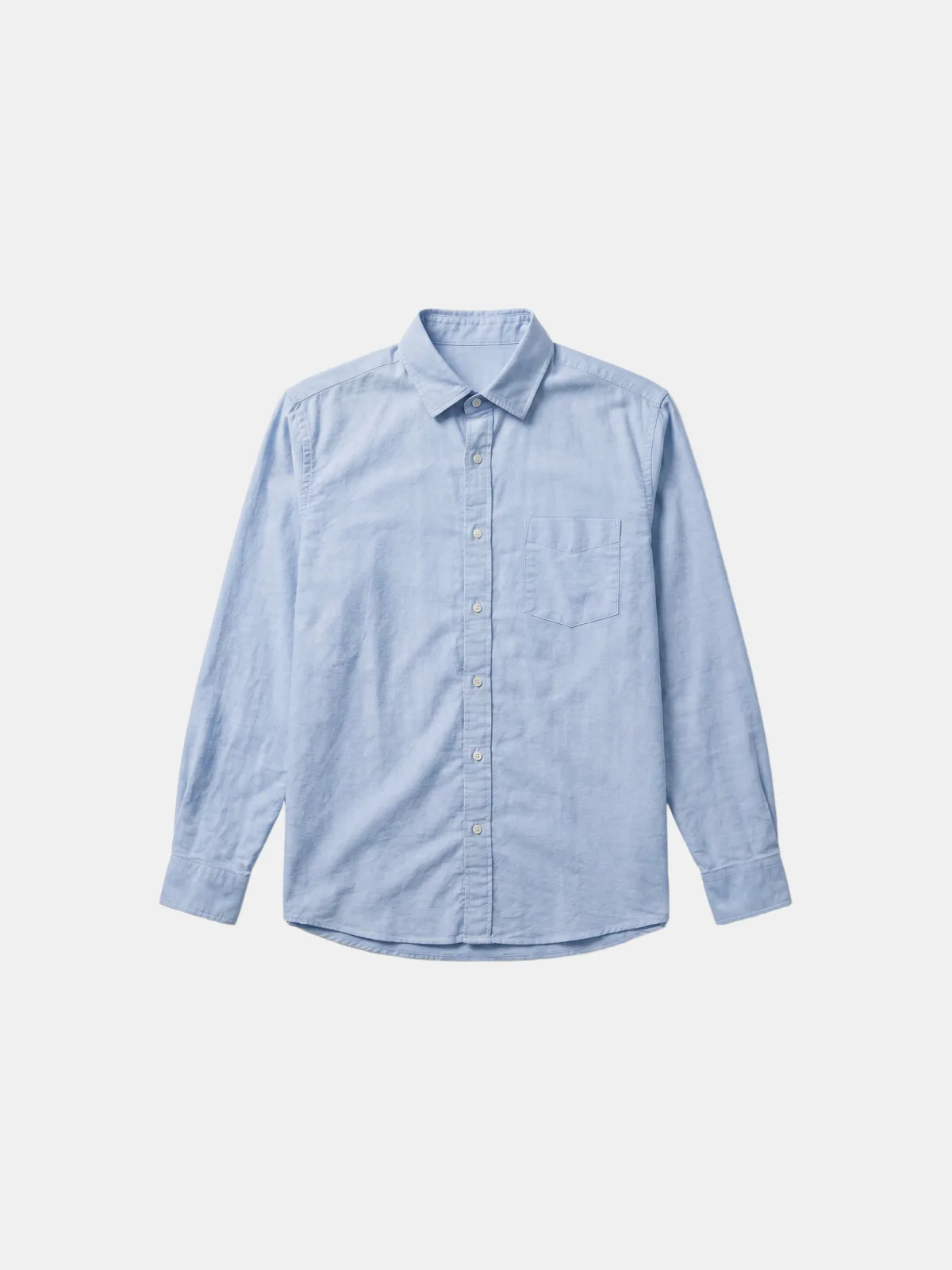
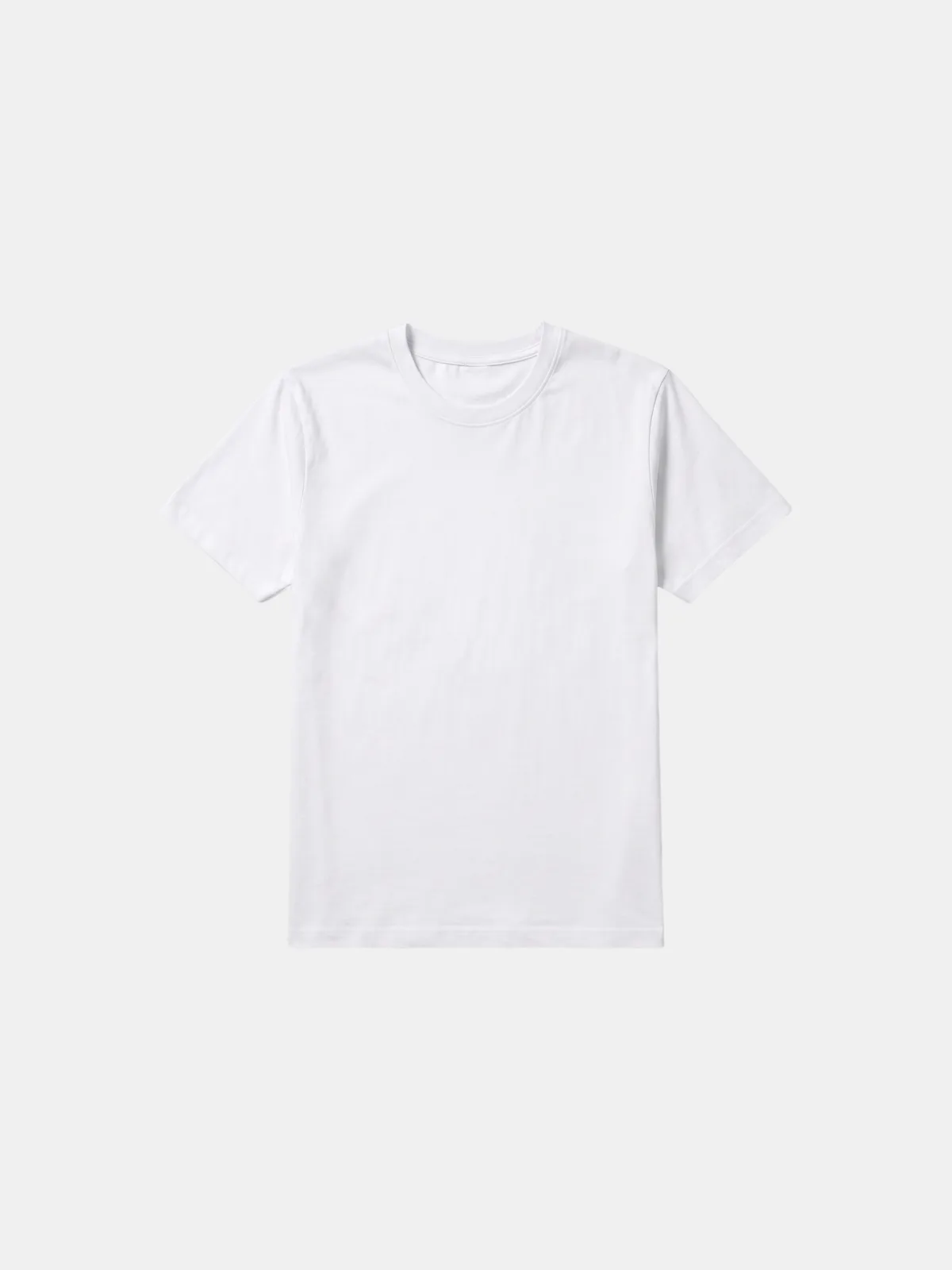
The original product photo used as the input
Real · Your product AI · Dreem ‹ ›
10× the content, zero extra shoot days
Same day from upload to first on-model shots
100s of SKUs styled in an afternoon

How it works

From product photo to on-model shot in three steps

  1. 01
    The product photo you start with

    Upload your product image

    Start with what you already have — a flat lay or a packshot. One clean shot is enough to begin.

  2. 02
    An AI-generated on-model shot of the product

    Generate the on-model shot

    Pick the look and Dreem renders your product on a lifelike model — your choice of body type, pose, and backdrop.

  3. 03
    A second AI-generated on-model variation, ready to publish

    Restyle, then publish

    Swap the model, the pose, or the background and generate again. Send the ones you love straight to your store. Minutes, not days.

One upload, full kit

One product, every angle you need

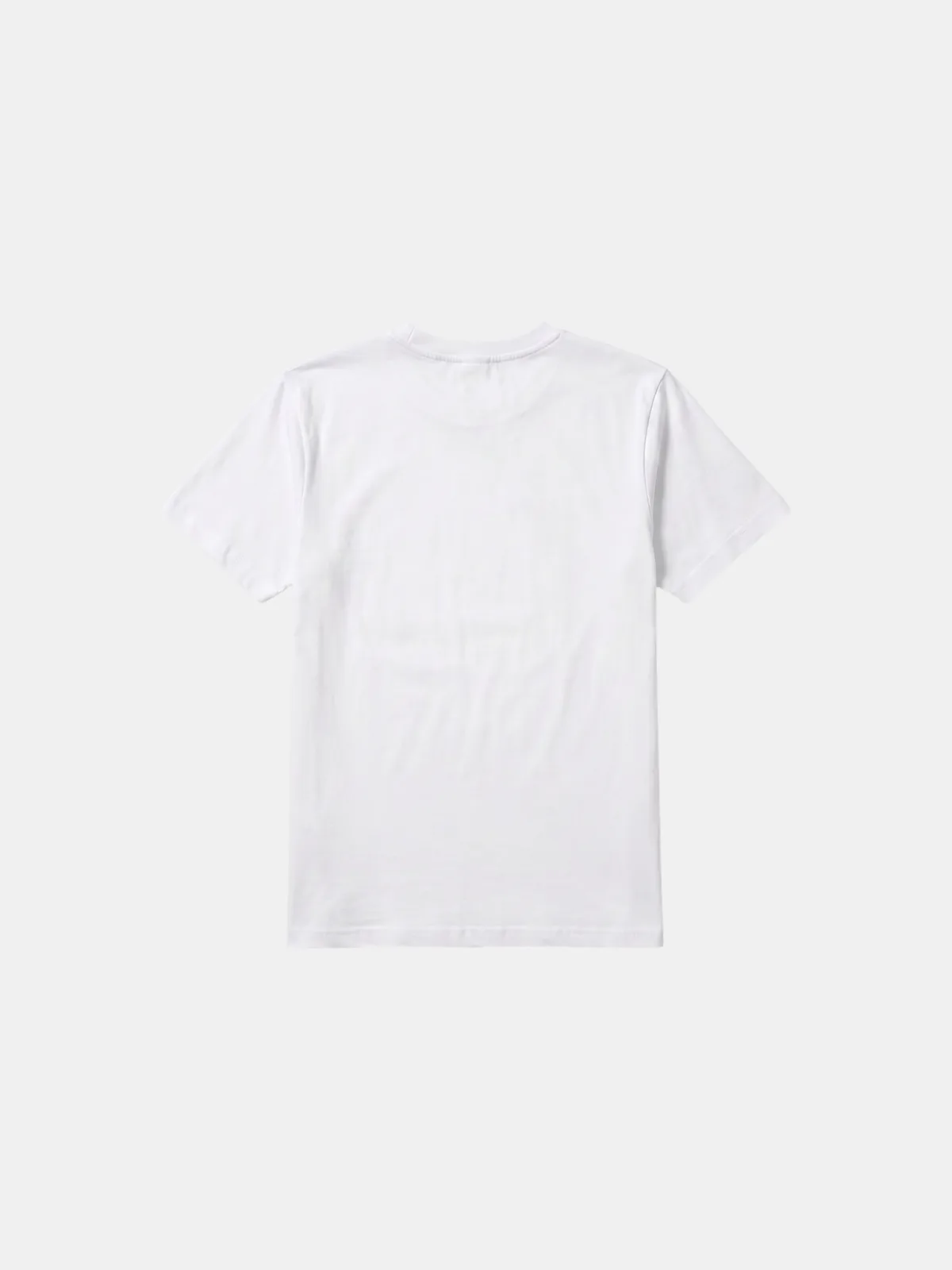
Every tile below starts from the single product shot in the first tile — flat and on-model, front and back, all the same garment.

Your upload The original product photo uploaded to Dreem
Product · Front
AI · Dreem AI-generated on-model shot of the product, front view
On Model · Front
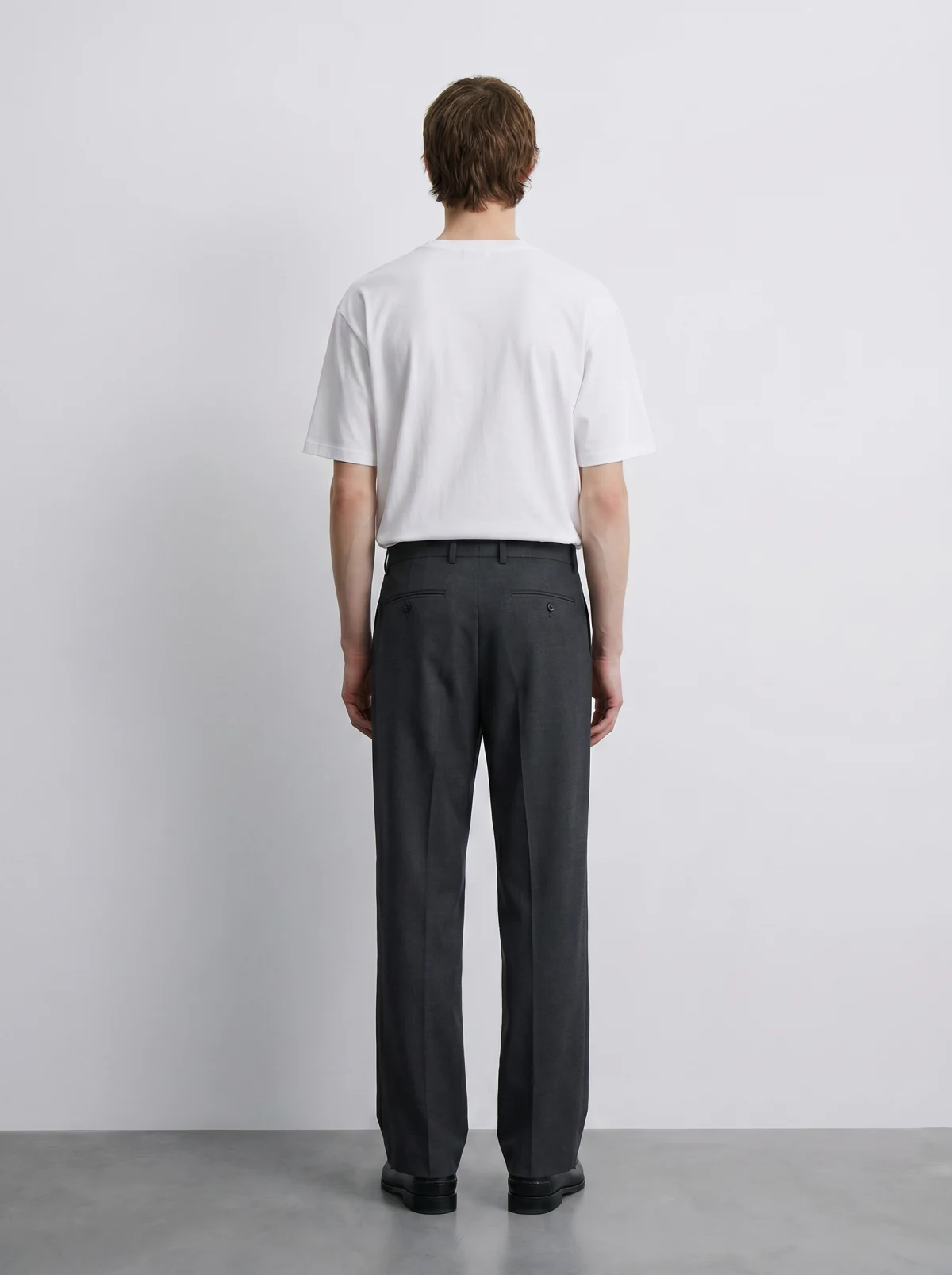
AI · Dreem AI-generated on-model shot of the same product, back view
On Model · Back
AI · Dreem AI-generated back view of the same product, flat lay
Product · Back

The guide

What is an AI fashion model?

An AI fashion model is a computer-generated person wearing your product. Instead of casting a model, booking a studio, and scheduling a shoot, you upload a photo of the garment and Dreem renders it on a lifelike model — with the pose, body type, and backdrop you choose. The result looks like a photographed on-model shot, because that's the job it's built to do.

For an ecommerce team, that changes the math. On-model imagery is what converts — shoppers want to see how a piece sits on a real body — but a full model shoot is the slowest, most expensive part of the content pipeline. AI on-model shots give you that imagery for every SKU, not just the hero products that earned a shoot.

Want the click-by-click version? Our step-by-step guide to generating virtual model shots walks through it from inside Claude using the Dreem MCP.

How AI on-model photography works

You start with a flat lay or packshot — the kind of shot you already have for the catalog. Dreem reads the garment, builds it onto a model, and keeps the product itself faithful: the cut, the colour, the details that make it yours. You direct the rest — who's wearing it, how they're posed, and where they're standing.

Because the input is a single image, the same product can become a whole set: front and back, multiple models, a clean studio backdrop for the product page and a lifestyle scene for an ad. It's the difference between one look and a campaign.

AI fashion models vs. a traditional model shoot

Both produce on-model imagery. They differ on speed, cost, and how much you can do.

Traditional shoot

When a specific human moment is the point.

  • A named model or a particular face the brand is built around
  • Editorial campaigns where the shoot itself is the story
  • Slower and costlier, and hard to scale across a full catalog

Most brands will run both: a flagship shoot for the campaign, AI on-model shots for the long tail of products that never justified a studio day.

What it gets right — and where to check

Here's the honest version, because overselling helps no one.

Strong today

  • Natural fit and drape — how the garment actually sits on a body
  • Range — many models, sizes, and looks from one product photo
  • Consistency and speed, so a whole catalog looks like one brand

Still improving

  • Fine logo detail and intricate prints — review before publishing
  • Highly reflective or metallic trims
  • When that detail is the hero of the shot, give it a human check first

Dreem is built specifically for product photography of things people wear, so for the bulk of an apparel catalog the output is ready to publish. On-model shots are one part of the kit — the AI photoshoot generator turns the same upload into packshots and video too, you can generate ghost-mannequin shots from one photo, and you can wire it all into your workflow through the Dreem MCP.
Where it earns its keep

Built for the shots stores actually need

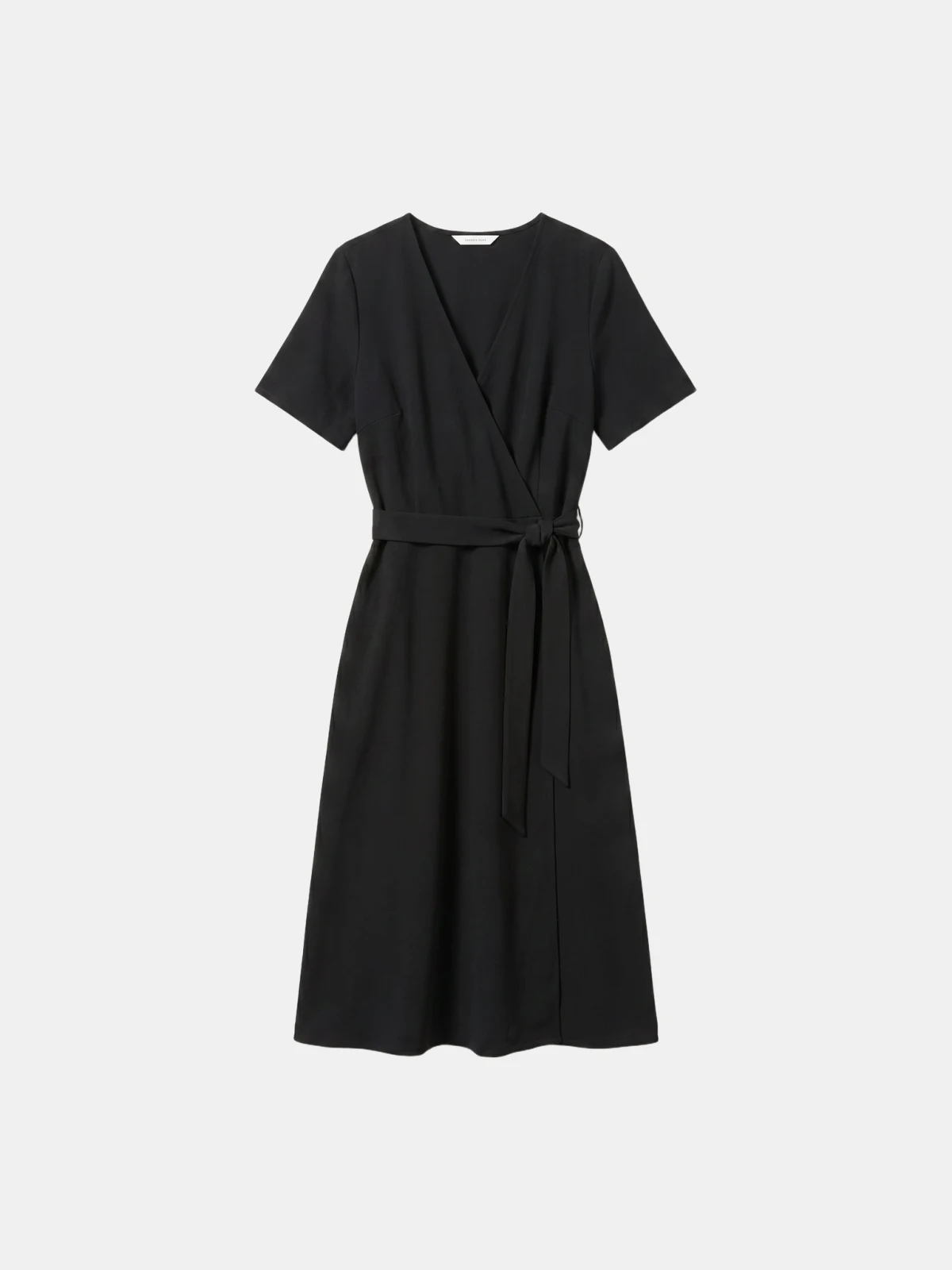
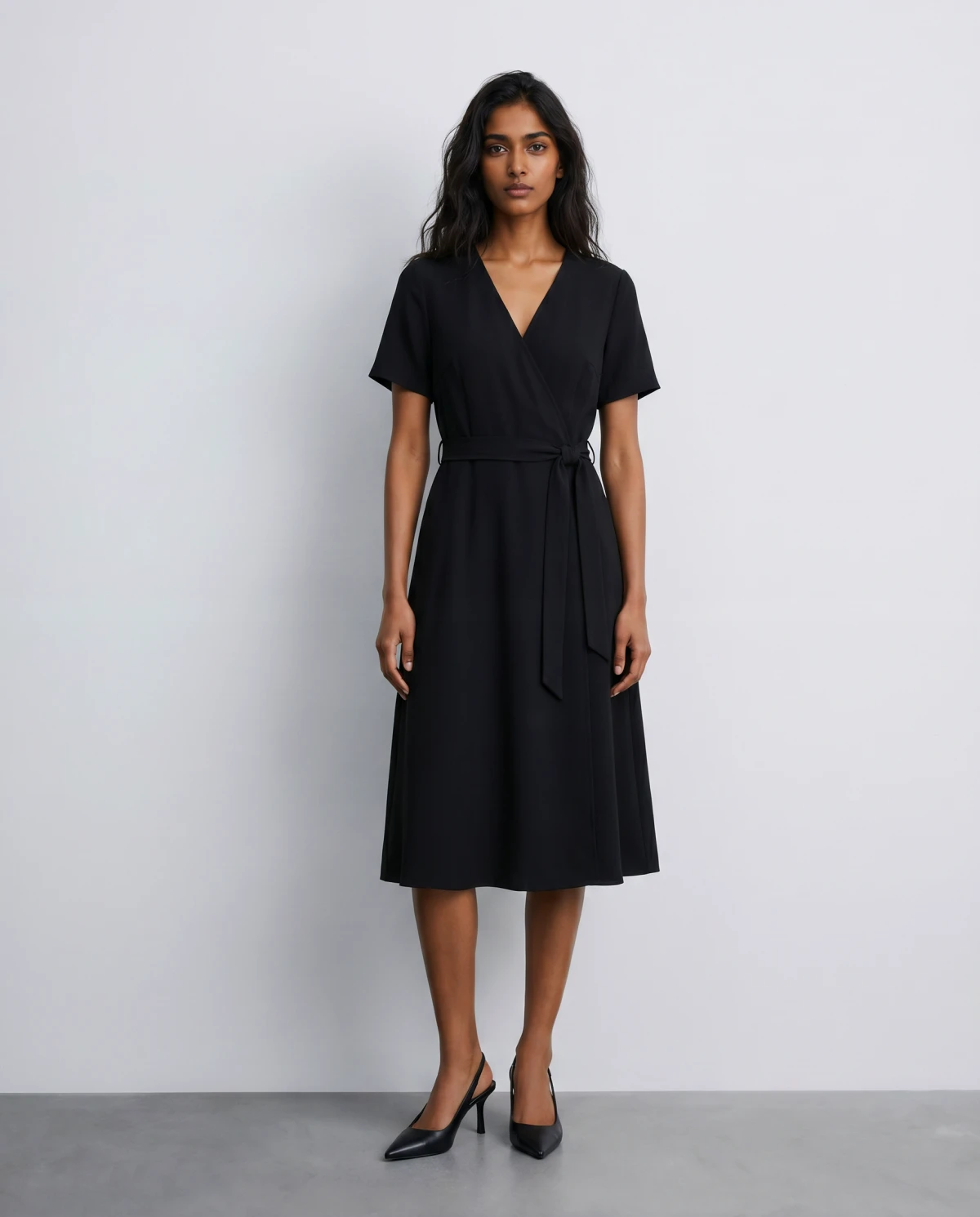
Before · Flat lay A flat-lay of the product
After · On-model An AI on-model shot of the product
01

On-model, every SKU

Give every product a polished on-model shot from a flat lay — not just the hero pieces that earned a shoot.

Before · Product only A flat product packshot before any model
After · On model The same product as a finished AI on-model shot
02

Packshot to on-model

Turn the flat catalog shot you already have into a converting on-model image for the product page.

Before · Flat lay A flat-lay of the product
After · On-model An AI on-model shot of the product
03

Refresh carryover styles

Restyle returning products with new models and backdrops instead of reshooting them every season.

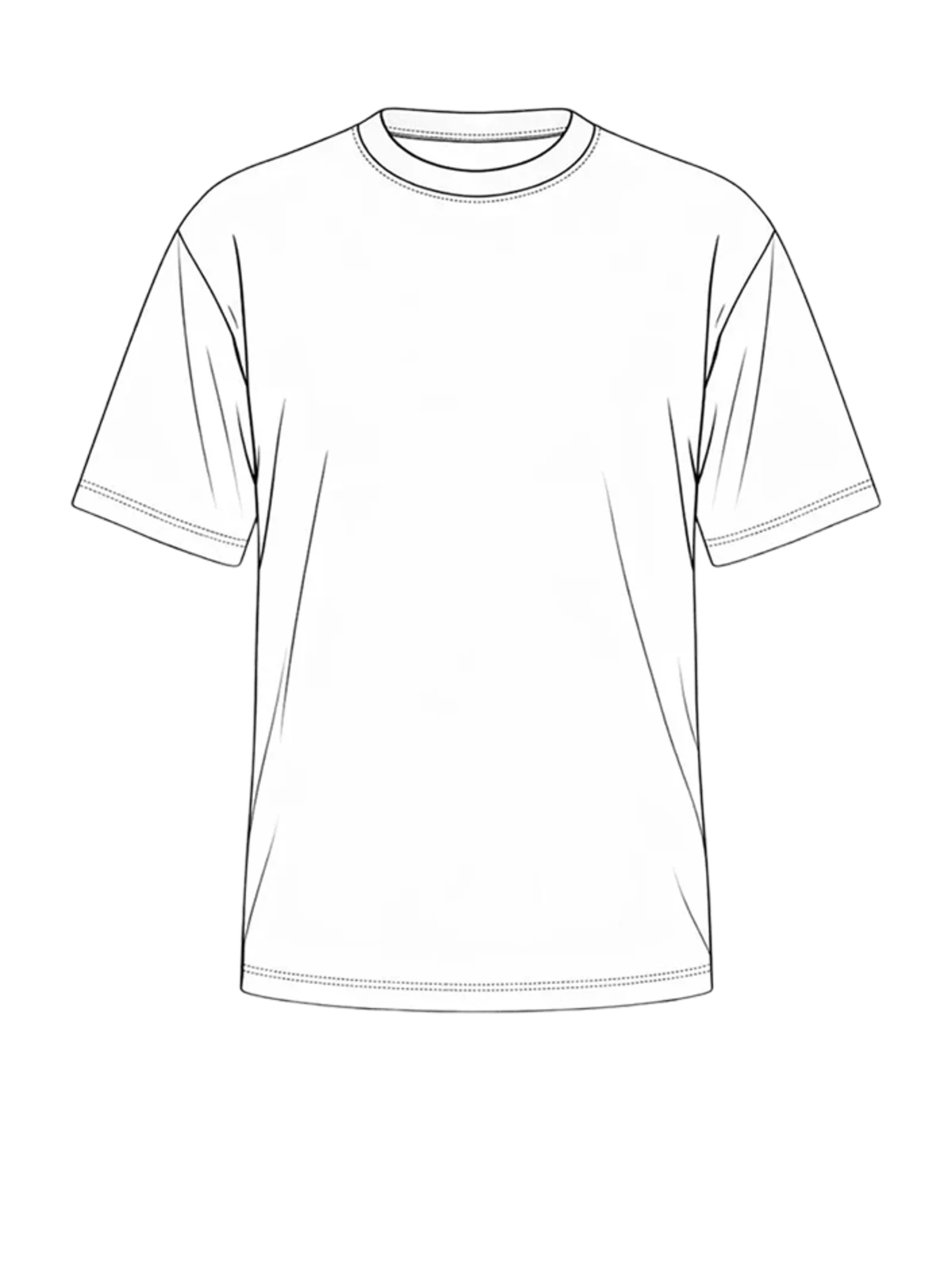
Before · Design file A tech-pack design-file drawing of the garment
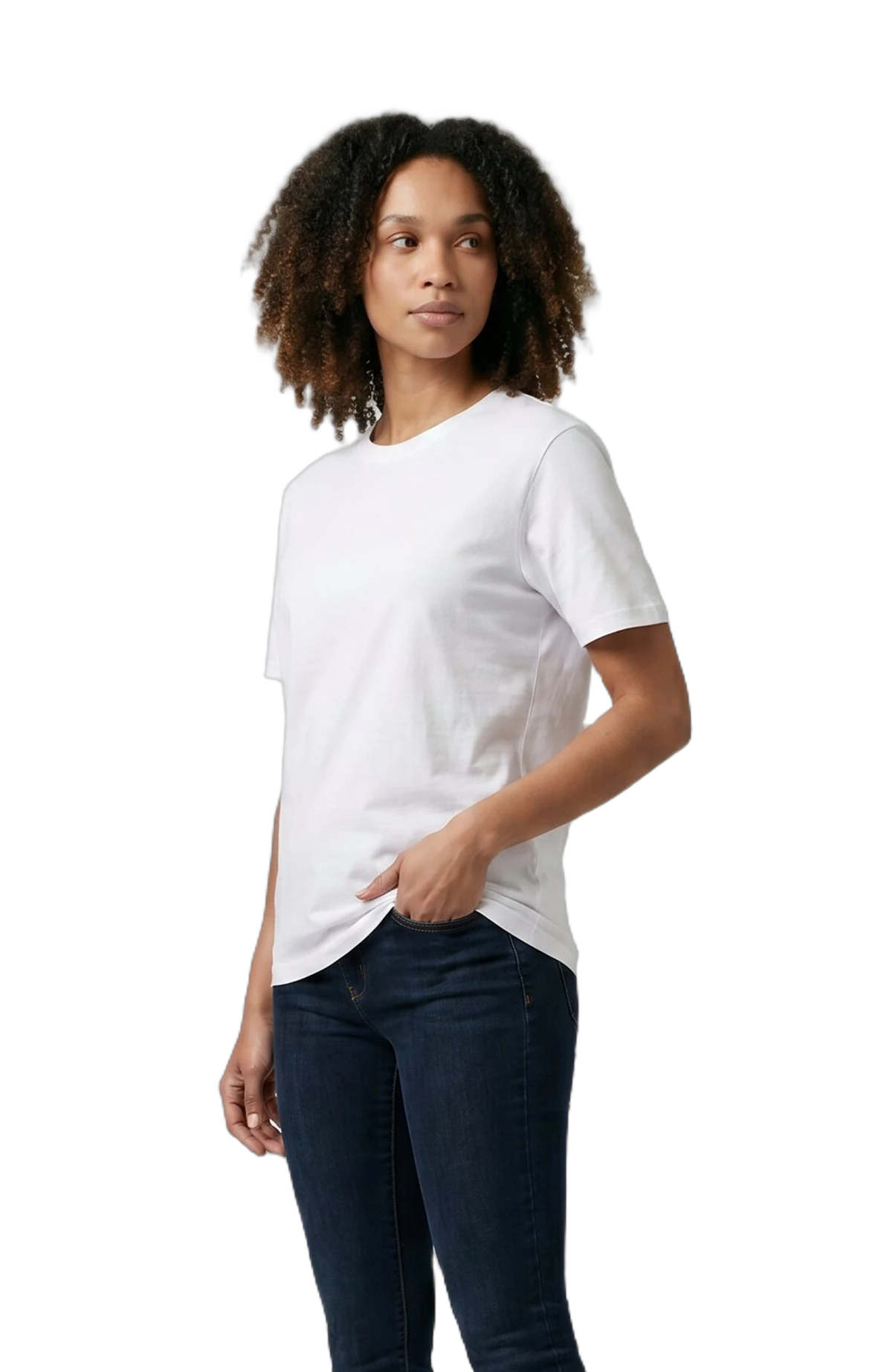
After · AI on-model An AI-generated on-model shot created from the design file
04

Sell before the sample lands

Delayed or damaged samples don't stall the launch — generate the on-model shot from the design file.

No casting. No studio.
No shoot day.

Just the model your product needs.

Good to know

Frequently asked questions

What is an AI fashion model?
An AI fashion model is a computer-generated person wearing your product. Instead of casting and booking a real model for a shoot, you upload a product photo and Dreem renders the garment on a lifelike model — with the pose, body type, and backdrop you choose.
Will the models match my brand's look?
Yes. You direct the output — model casting, pose, backdrop, and styling are all in your hands, so the shots stay on-brand instead of generic.
Does it keep my product accurate?
Dreem preserves the detail of the garment you upload rather than inventing a new one. For complex prints, fine logos, or reflective trims, review the output before publishing — that's where AI still needs a human eye.
Can I get different body types and sizes?
Yes. Generate the same product across a range of bodies and sizes so your product pages reflect the customers actually buying — without booking a separate model for each.
Who owns the images I generate?
You do. Every image generated on your workspace is yours to use — no watermarks, no licensing layer, no usage restrictions.